Tango culture and vibrant neighborhoods in Buenos Aires Argentina
Buenos Aires is more than just Argentina's capital; it's a living, breathing masterpiece of culture, color, and creativity. Among its charms, the vibrant neighborhoods in Buenos Aires Argentina stand out. Each one firstly offers a unique way to connect with the city's heartbeat. Tango music meanwhile floats through the air and intricate street art adorns every corner. Further, local spirit-passionate and proud-gives the city its soul. You may be a tango enthusiast, history buff, or foodie, Buenos Aires promises an ideal experience. That is as rich and layered as its storied past. Let's explore the tango culture and the most famous neighborhoods in Buenos Aires Argentina where passion and art collide every day!.
1. San Telmo: The Historic Birthplace of Tango
Step into San Telmo and you step back in time. This vibrant neighborhoods in Buenos Aires Argentina is filled with colonial architecture, antique shops, and the lively Sunday Feria de San Telmo market. Street performers bring tango to life on every corner, their fluid movements telling stories of longing and love. For an authentic taste, visit a traditional milonga for example El Viejo Almacén. Visit the historical gems of Prague with our travel options. Above all, here the spirit of old Buenos Aires still dances every night. Exploring San Telmo further means immersing yourself in the very origins of tango culture.
2. La Boca: Where Art and Tango Burst into Life
Few places capture the energy of Buenos Aires for example La Boca. Caminito Street, a living open-air museum, dazzles with brightly painted houses and murals. Here, tango dancers in full costume perform impromptu shows. That further makes every stroll an event. The working-class roots of La Boca firstly add a gritty authenticity, reminding visitors of the city's immigrant past. This is truly one of the most vibrant neighborhoods in Buenos Aires Argentina to explore. There, the line between daily life and street theater blurs beautifully.
3. Palermo Soho: Creative Vibes with a Tango Twist
Palermo Soho might seem all about trendy boutiques and stylish cafés. Scratch the surface and you'll discover its creative pulse deeply tied to tango traditions. Art galleries, pop-up fairs, and nighttime dance events reflect a fusion of the old and new. Rooftop bars sometimes host tango nights under the stars. That further offer visitors a chic yet heartfelt take on this classic art form. Wander its graffiti-lined alleys, and you'll feel the beat of Buenos Aires in every colorful mural.
4. Almagro: Traditional Tango and Local Flavor
If you seek authenticity, one of the vibrant neighborhoods in Buenos Aires Argentina Almagro delivers. Known as a working-class neighborhood with strong cultural roots, it's the beating heart of traditional tango. Meanwhile, visit Salon Canning or Club Gricel for intimate milongas. There, dancers of all ages glide across polished wooden floors. Almagro also offers charming cafés and bakeries where locals debate passionately over coffee and pastries. Here, the spirit of tango is not only performed-but it's also lived.
5. Microcentro: Tango Amid the City's Historic Pulse
In the city's bustling downtown, culture and commerce meet. Beyond the busy avenues and government buildings, Microcentro houses grand theatres for example Teatro Colón. There, world-class tango shows elevate the dance to an art form. By day, explore Avenida de Mayo's Belle Époque architecture; by night, slip into a tango bar. There, the strains of bandoneóns (small accordions) meanwhile fill the air. Every corner holds a story, making it an essential stop for those chasing the authentic pulse of Buenos Aires.
6. Abasto: Following in the Footsteps of Carlos Gardel
Once the city's main market district, Abasto is now a shrine to tango's most iconic figure: Carlos Gardel. Visit the Carlos Gardel Museum to understand how this charismatic singer helped popularize tango worldwide. This neighborhood's streets further carry his memory through vibrant murals and lively tango venues. El Abasto Shopping Center, a converted market hall, meanwhile keeps the area's historic energy alive. It's one of the most fascinating and truly vibrant neighborhoods in Buenos Aires Argentina, mixing history, culture, and shopping.
7. Recoleta: Elegance, Art, and Refined Tango
Recoleta embodies the city's European elegance. Tree-lined boulevards, grand mansions, and stylish cafes give it a sophisticated air. The neighborhood is best known for Recoleta Cemetery, resting place of national icons like Eva Perón. Yet tango, too, has a place here-often performed in luxurious hotels and cultural centers. Attend a refined tango soirée and experience the dance in a new light, where every movement is a symbol of Buenos Aires' timeless sophistication.
8. Villa Crespo: Underground Tango Magic
Villa Crespo may lack the flashiness of Palermo, but it rewards those who seek a genuine local experience. Tucked-away tango clubs host soulful performances that feel more like gatherings among friends than shows for tourists. You might stumble upon a community event in a neighborhood plaza. There, tango further blends seamlessly with cumbia, folklore, and other Argentine rhythms. Villa Crespo is the perfect place to feel the heartbeat of Buenos Aires away from the spotlight.
9. Puerto Madero: Luxury and Waterfront Rhythms
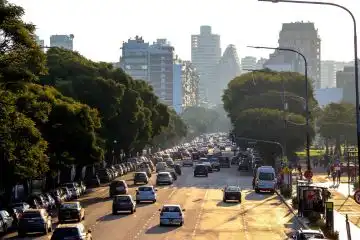
Above all, Puerto Madero offers a very different flavor of Buenos Aires. Sleek high-rises and waterfront restaurants set a cosmopolitan tone, yet tango remains deeply rooted here. Attend an upscale show like Rojo Tango at the Faena Hotel to witness jaw-dropping performances with modern flair. As you walk along the docks, You will meanwhile find outdoor musicians and occasional tango exhibitions. That remind you that even in the city's most modern district, tradition still simmers just beneath the surface.
10. Belgrano: Tranquility with a Cultural Twist
Belgrano's serene parks, wide avenues, and charming plazas offer a slower pace perfect for cultural exploration. Tango shows pop up at neighborhood fairs and local theaters. That's often blending other art forms like poetry and folklore into the performances. Chinatown, located within Belgrano, also offers a lively culinary scene. That meanwhile showcases how Buenos Aires continues to evolve by weaving together diverse cultural influences.
11. Chacarita: The Quiet Rebirth of Tango Culture
Above all, Chacarita is a neighborhood of transformation. Traditionally known for its cemetery, it is now a hub of underground arts and music scenes. Tango further finds new expression in intimate venues and pop-up performances across the barrio. Young artists reinterpret classic tango with fresh, edgy flair, breathing new life into this timeless dance. For travelers seeking the next wave of Buenos Aires' cultural evolution, Chacarita promises a rewarding experience.
12. Barracas: Nostalgia and Neighborhood Pride
Barracas, with its grand mansions and tree-shaded streets, remains a well-kept secret. Art collectives and tango bars are quietly reviving the neighborhood's cultural vibrancy. Murals further tell stories of community pride, history, and hope. Meanwhile, spend an evening at a traditional peña, where locals gather for music, food, and dance. Here, tango is more than a performance-it's a celebration of community resilience and shared history.
Conclusion: Where Passion and Tradition Meet
From the colorful streets of La Boca to the refined elegance of Recoleta, exploring the vibrant neighborhoods in Buenos Aires Argentina. That firstly offers more than just sightseeing-it's a journey into the soul of a city. Tango pulses through every street, every conversation, every mural. You may be dancing under the stars, wandering historic alleys, or sipping a coffee as music drifts by. Buenos Aires invites you to feel its passion and carry it with you long after you leave. Therefore, get ready to tango with the soul of Argentina.