Explore lush mountains and ancient temples of Chiang Mai Thailand
Chiang Mai, Thailand, is a city that captivates visitors with its rich cultural heritage, serene landscapes, and stunning natural beauty. If you want to explore ancient temples of Chiang Mai Thailand here's a guide. Chiang Mai is firstly set against a backdrop of lush mountains. It is home to some of the most revered and ancient temples in the country. These sacred sites further offer a unique opportunity to delve into the history and spirituality of Thailand. If you are a nature lover, history enthusiast, or someone seeking spiritual solace, Chiang Mai is the perfect destination for you. In this guide, we'll take you through the best experiences. That showcase the ancient temples of Chiang Mai in Thailand, and the surrounding natural wonders.
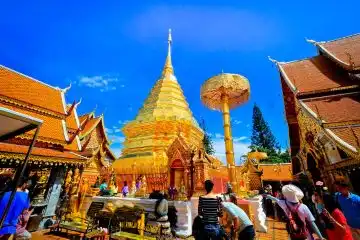
1. The Serenity of Doi Suthep Temple
One of the most iconic and ancient temples of Chiang Mai Thailand, is the revered Wat Phra That Doi Suthep. Perched atop Doi Suthep Mountain, the temple offers panoramic views of the city below. The journey to reach this temple is as fulfilling as the destination itself, with a winding road that cuts through dense jungle and the fragrant air of pine trees. The temple is considered one of the holiest sites in Northern Thailand and holds significant cultural and spiritual importance. Explore the historical charms of Berlin with our travel blogs and plan your trip. Visitors can admire the golden stupa, intricate carvings, and stunning murals depicting Buddhist stories.
The temple's legend is also fascinating. According to local lore, the temple was built to house a relic of the Buddha. That was discovered by a white elephant, ascended the mountain before dying in this sacred spot. This mystical tale enhances the aura of reverence surrounding the temple. Many visitors exploring ancient temples of Chiang Mai Thailand also engage in prayers and rituals, seeking blessings for their journeys or personal well-being. The atmosphere is calm and inspiring, perfect for introspection and peace.
2. The Peaceful Wat Chedi Luang
Located in the heart of Chiang Mai's Old City, Wat Chedi Luang. It is another prime example of the ancient temples of Chiang Mai Thailand to explore. This massive temple was once home to the Emerald Buddha, the most revered image of Buddha in Thailand. Today, visitors can explore the ruins of the Chedi (stupa). That was partially destroyed in the 16th century. Despite the damage, the structure still radiates a sense of grandeur and mystery. The serene atmosphere here invites contemplation. That meanwhile make it a must-visit for anyone interested in history and architecture.
The temple grounds also feature a sacred path lined with statues of elephants. That symbolize the elephant's role in Thai culture and spirituality. The current restoration work has made the temple accessible to more visitors. Further, the mix of old and new makes it a perfect representation of Chiang Mai's history. On the temple's grounds, you'll find a variety of Buddhist sculptures, serene meditation areas, and the remnants of ancient murals. Each of them is telling a part of the temple's storied past.
3. Exploring Wat Phra Singh
For those who want to immerse themselves in the history of Chiang Mai, Wat Phra Singh is an essential stop. This temple, located in the Old City, is famous for its beautiful Lanna-style architecture and rich history. The temple houses the Phra Singh Buddha. It is a highly revered statue of the Buddha that attracts countless visitors each year. The peaceful courtyard, ornate decorations, and the stunning Phra Viharn hall will transport you back in time to the city's golden age. Above all, it's one of the most significant ancient temples of Chiang Mai Thailand.
Wat Phra Singh's architecture is an excellent example of Lanna-style art, which mixes local and Buddhist artistic traditions. The temple also serves as a place of worship for local monks. Many visitors take the opportunity to observe and even participate in traditional Buddhist ceremonies. For those interested in cultural practices, it's a fantastic chance to see Chiang Mai's spiritual life in action. During the Buddhist New Year, the temple is a center of celebrations, where the local people come to pay respects and make offerings.
4. The Tranquil Wat Umong
If you're looking for a temple experience that's a bit off the beaten path, Wat Umong is a hidden gem. Located in the foothills of Doi Suthep, this forest temple offers a serene and reflective environment. The temple is famous for its unique tunnel system, which monks once used for meditation. Surrounded by dense forest and a large pond filled with fish, Wat Umong is a peaceful retreat. It is perfect for anyone seeking spiritual solitude and a connection to nature. The ancient atmosphere of the site makes it one of the lesser-known, yet equally significant, ancient temples of Chiang Mai Thailand.
The tunnels at Wat Umong are particularly fascinating. They were originally built by King Mengrai, the founder of Chiang Mai, as a space for meditation and prayer. The dark, cool atmosphere inside the tunnels provides a sense of calm and solitude. As you wander the grounds, you'll find statues of the Buddha placed thoughtfully along the path. That meanwhile add to the temple's spiritual aura. The combination of nature and quiet reflection makes Wat Umong a perfect place to take a break from the hustle and bustle of city life.
5. Experience the Ancient Wat Chiang Man
One of the ancient temples of Chiang Mai Thailand, is Wat Chiang Man. It is a fascinating stop for those interested in the history of the city. Built in 1297, this temple showcases the architectural style that defines much of the region. It is home to the Phra Sila Buddha and the Phra Chao Ong Kham. They both are important religious relics of Northern Thailand. The temple's charming ambiance, combined with its historical significance, offers visitors a glimpse into the city's early days.
Visitors to Wat Chiang Man can explore the intricately designed chedi. They can meanwhile admire the ancient wall murals that depict the story of the Buddha. The temple's peaceful garden and courtyard also offer a perfect spot for meditation and relaxation. While many tourists visit the more famous temples, Wat Chiang Man offers a quieter and more contemplative experience. The temple is particularly beautiful at sunrise when the early morning light bathes the temple in a soft glow. That further make it an excellent spot for photography.
6. The Sacred Atmosphere of Wat Suan Dok
Located just outside the Old City, Wat Suan Dok is another essential temple. It is significant for anyone exploring the ancient temples of Chiang Mai Thailand. This temple is notable for its impressive white chedis that house the remains of members of the royal family. Above all, the temple is a center for meditation. Visitors can often see monks engaged in prayer or walking along the peaceful grounds. Wat Suan Dok also offers a unique opportunity to participate in a monk chat. There, you can learn about Buddhism and Thai culture directly from the monks.
What further sets Wat Suan Dok apart from other temples is its ability to offer both historical and spiritual significance. The temple is also home to a large school of monks. Many of whom are trained in meditation and Buddhist philosophy. Engaging in a monk chat can provide a deeper understanding of Buddhist practices and the daily life of the monks. It's one of the best opportunities for travelers to gain insight into the spiritual life of Chiang Mai.
7. The Colorful Wat Jet Yot
For a change of pace, visit Wat Jet Yot, a temple known for its unique architecture and colorful history. It was built in the 15th century to commemorate the 7th World Buddhist Council. The temple further features seven spires, giving it its name (Jet Yot means “seven spires”). The temple's blend of Thai and Indian architectural influences makes it stand out from other ancient temples of Chiang Mai, Thailand. The site is also less crowded than some of the more popular temples. That meanwhile make it an ideal place to appreciate the intricate details and calm atmosphere.
The temple is especially striking during the annual Buddhist Lent, when it hosts a large ceremony. During this period, local Buddhists gather at Wat Jet Yot. They offer prayers and celebrate the importance of the Buddhist monastic life. The ceremony is an important part of the local culture. Visitors can witness the devotion and faith of the people of Chiang Mai during this special time.
8. Hiking in the Lush Mountains Around Chiang Mai
Chiang Mai's natural beauty is not limited to its temples. The surrounding mountains, lush forests, and tranquil waterfalls offer a perfect escape for hiking enthusiasts. One of the most popular trails is the Doi Inthanon National Park, which is home to Thailand's highest peak. The park features well-maintained trails, diverse flora and fauna, and beautiful viewpoints. Hiking in Chiang Mai provides a perfect balance to the historical and spiritual experiences offered by the ancient temples of Chiang Mai, Thailand, allowing visitors to connect with nature.
Other notable hiking spots include Doi Khun Tan, the second-highest mountain in the region. That firstly offers lush landscapes and birdwatching opportunities. Whether you're an experienced trekker or a beginner, the variety of trails in Chiang Mai ensures there's something for everyone. Many trails also lead to secluded waterfalls or mountain villages. They meanwhile add to the sense of adventure and discovery.
9. The Hidden Temples of the Surrounding Villages
Chiang Mai's outskirts are dotted with small, lesser-known temples that are often overlooked by tourists. These hidden gems offer a more authentic experience of Thai culture and spirituality. One such temple is Wat Palad, a peaceful site located in the jungle on the slopes of Doi Suthep. Another hidden gem is Wat Pha Lat, which features stone carvings and beautiful views of the mountains. Exploring these off-the-beaten-path temples will give you a deeper understanding of the region's spiritual history.
These temples are often located far from the main tourist areas. That firstly make them perfect for those who prefer a more intimate, undisturbed experience. The journey to these hidden temples can be an adventure in itself. It allows visitors to explore less-developed areas and witness local life in rural Chiang Mai. The experience is both enriching and peaceful, offering a deeper connection to the area's ancient traditions.
10. Chiang Mai's Traditional Festivals and Temple Celebrations
The ancient temples of Chiang Mai Thailand, come to life during various traditional festivals held throughout the year. The most notable of these is Yi Peng, the Lantern Festival. There, thousands of lanterns are released into the sky, creating a breathtaking sight. The Songkran Festival, held in April, celebrates the Thai New Year with water fights and processions at the temples. Visiting Chiang Mai during one of these festivals offers a unique way to experience the temples in a lively and cultural setting.
These festivals not only highlight the rich cultural heritage of Chiang Mai but also provide visitors with a chance to engage with local traditions. The Yi Peng Festival, in particular, is an ethereal experience. It stands out with lanterns floating above the temples, creating a magical atmosphere. The Songkran Festival, on the other hand, is filled with joyous celebration. During it, locals and tourists alike partake in water battles while honoring their elders and the Buddha.
11. Enjoying Local Cuisine and Culture Near the Temples
After exploring the ancient temples of Chiang Mai Thailand, take the time to immerse yourself in the local culture. The Old City and surrounding areas are home to numerous cafes, street food vendors, and restaurants. That are serving delicious Thai dishes like khao soi (curry noodle soup) and som tam (papaya salad). Be sure to visit the Sunday Walking Street Market, where you can shop for handmade crafts, art, and local goods. This vibrant market is a great way to experience the culture of Chiang Mai and reflect on your temple visits.
Dining at local eateries near the temples provides an opportunity to try authentic Northern Thai cuisine. In addition to the more well-known dishes, Chiang Mai is known for its unique Siamese hot pot and khao pad. That is a fragrant rice dish. Sharing a meal with the locals after visiting the temples enhances your cultural experience. It further offers a taste of the traditional flavors of Northern Thailand.
12. Relaxing and Reflecting in Chiang Mai's Tranquil Ambiance
Chiang Mai's peaceful environment and spiritual atmosphere make it an ideal destination for reflection and relaxation. You may choose to meditate in one of the ancient temples of Chiang Mai Thailand. Further, you can enjoy a traditional Thai massage, or simply relax by a mountain stream. The city further offers countless opportunities for rejuvenation. The blend of nature and culture ensures that every moment spent in Chiang Mai is filled with tranquility and reflection.
Chiang Mai's gentle ambiance also provides the perfect setting for wellness retreats and yoga sessions. Many visitors come to Chiang Mai not just for its temples. They also come here for its holistic approach to health and well-being. With yoga schools and wellness resorts scattered throughout the city, it's easy to find a perfect space. That further fits your needs for relaxation and healing.
Conclusion
Chiang Mai, Thailand, offers a remarkable journey through lush mountains and ancient temples. Each of them hold its own story and spiritual significance. From the iconic Wat Phra That Doi Suthep to the peaceful Wat Umong, each temple provides a unique experience for visitors. The city's rich history, gets coupled with its breathtaking natural landscapes. That further makes it a must-visit destination for travelers seeking culture, spirituality, and natural beauty. You may be an adventurer, history lover, or someone looking for inner peace. The ancient temples of Chiang Mai Thailand, will leave you with lasting memories. Above all, it gives a deeper appreciation for this beautiful part of the world.